

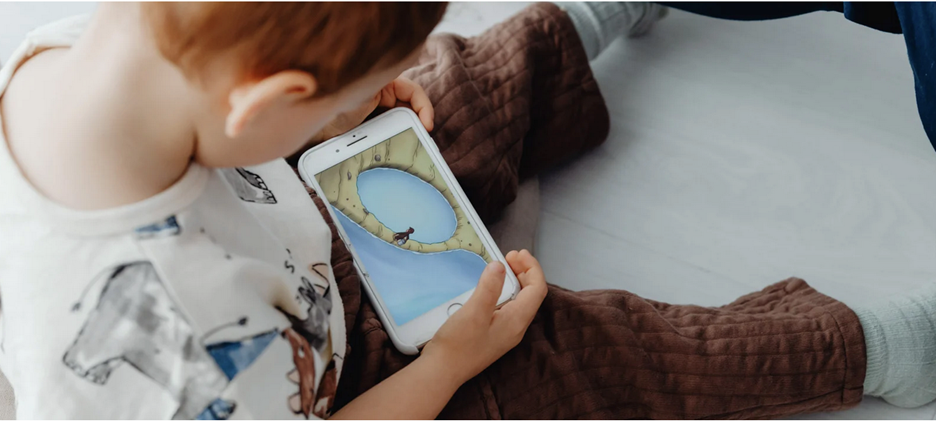
Screens are now a routine part of childhood. Video games, social media, streaming platforms, and short-form videos compete for children’s attention every day. For parents, the concern is rarely about a specific app but about what extended recreational screen time is doing to a child’s brain, behavior, and motivation.
While every child responds differently, heavy recreational screen use is associated with several common risks, including sleep disruption, irritability, reduced physical activity, and social withdrawal. In our work at Fit Learning, we often see that children who spend large amounts of time on recreational screens also show increased impulsivity, shorter attention spans, and greater resistance to academic tasks or other non-screen activities.
Why screens can feel “addictive” (a brain-based explanation)
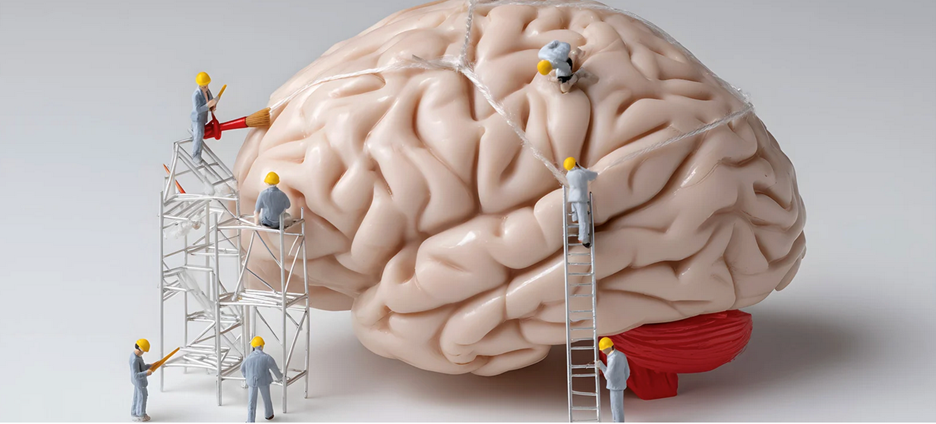
From a brain-based perspective, recreational screen time strongly activates the brain’s reward system through dopamine release. This is especially true when rewards are immediate and unpredictable, as with endless feeds, autoplay, and notifications. Over time, this can make non-screen activities feel less rewarding, contributing to irritability and difficulty tolerating boredom. Excessive screen use can also override prefrontal functions such as impulse control and long-term decision making, making it harder for children to persist with activities that have delayed rewards.
Scientists who study the impacts of video games on our brains have understood for decades that video games impact the brain in ways similar to addictive substances. In fact, a 1998 study in the Journal Nature showed that video games can release as much dopamine into the bloodstream as powerful, addictive stimulants like amphetamine.
One practical way to assess whether screen use is becoming a problem is to observe what happens when it is interrupted.

Frequent emotional outbursts or arguments when screens are turned off can signal that limits are needed. It is also important to consider what screen time is replacing. When screens begin to crowd out sleep, homework, physical play, face-to-face socialization, personal hygiene, or other interests, balance has likely been lost.
Recreational screens offer few developmental benefits that cannot be achieved more effectively through direct instruction, play, or social interaction. Most recreational platforms are designed for engagement, not learning. Their real value is often as a motivator rather than a default activity. Used strategically, screen time can reinforce completion of responsibilities such as homework, chores, or practice.
Creating Structure and Finding Balance
Clear structure matters. “If…then” expectations help children understand that recreational screen time is earned after other obligations are met. If homework is finished, then screen time is available. Consistency is essential, even when there is short-term resistance. Many families also benefit from using parental controls to reduce daily negotiation.
For most families, the goal is not eliminating screens, but restoring balance. When recreational screen time becomes the primary source of reinforcement, motivation and self-regulation often suffer. When screens are limited, structured, and contingent on meeting responsibilities, children are more likely to engage in learning, play, and relationships that support healthy development.